What “Shipment Exception” Means in Tracking
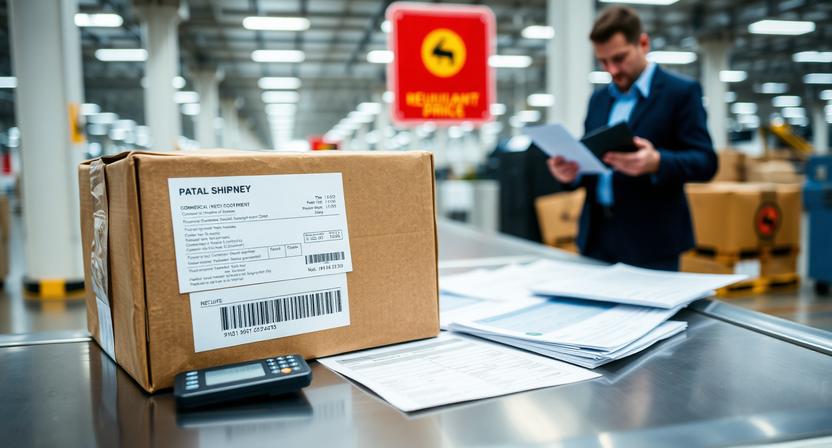
A shipment exception is a tracking status that usually means something has interrupted the parcel’s normal movement or delivery process. It points to a problem, delay, or condition that needs to clear before the shipment can continue as expected.
This status does not always mean the parcel is lost, failed, or undeliverable. In many cases, the shipment continues after the issue is resolved. The exact meaning depends on the carrier’s wording, the shipment type, and whether the problem is related to transport, customs, address details, or delivery access.
In simple terms, a shipment exception is best understood as a warning that the delivery is no longer following the standard timeline.
Common Reasons a Shipment Exception Appears
Carriers use shipment exception updates for many kinds of disruptions. Some are minor and clear quickly, while others need action from the sender or recipient.
Weather disruptions
Severe weather can affect flights, highways, local roads, and last-mile delivery routes. Snow, storms, flooding, and other conditions often cause temporary exceptions until transportation resumes.
Customs inspection or document issues
International parcels may receive an exception during customs review. This can happen because of routine inspection, missing forms, incomplete commercial invoices, or import and export processing delays.
Incorrect or incomplete address information
If the label has an address that is missing key details, contains a typo, or cannot be read clearly, the carrier may mark the shipment with an exception. This can delay sorting or final delivery.
Recipient unavailable
If delivery is attempted but the recipient is not available, or if access to the building is restricted, a shipment exception may appear. This is common for parcels requiring handoff at the door or entry into a secured location.
Operational delays
Parcels can also be delayed at a sorting hub, transfer point, or regional facility because of congestion, missed connections, or processing backlogs.
Damaged packaging or label problems
If the parcel’s packaging is damaged or the shipping label is torn, smudged, or detached, the shipment may be removed from normal handling until it can be identified or repacked.
Security checks or restricted-item review
Some shipments are held for additional review because of security screening, transportation restrictions, or questions about the contents.
How Shipment Exceptions Differ From Other Tracking Updates
A shipment exception is different from standard tracking scans that show normal progress. Routine updates usually indicate that the parcel was accepted, processed, arrived at a facility, departed a facility, or moved in transit.
An exception status signals that something outside normal handling has happened. It does not always explain the full issue in one line, but it does suggest the package is no longer moving exactly as planned.
Shipment exception vs. out for delivery
Out for delivery means the parcel is on a local delivery vehicle and is expected to be delivered that day. A shipment exception usually means the parcel is facing a problem that may prevent that normal delivery schedule.
Shipment exception vs. delayed
Delayed is often a broader message that simply means the parcel is running late. A shipment exception may be more specific, indicating a particular issue such as weather, customs, address problems, or failed access.
Shipment exception vs. delivery attempted
Delivery attempted usually means a courier tried to deliver the parcel but could not complete the handoff. In some systems, that attempt may also appear under a shipment exception if the carrier groups failed delivery conditions into exception reporting.
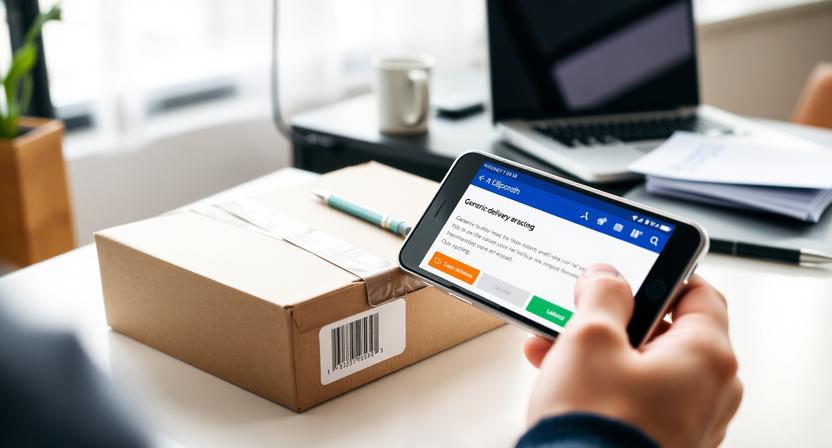
Because carriers use different terminology, similar events may appear under different names. Reading the full tracking note, if one is available, is often more useful than focusing only on the headline status.
What to Do First After Seeing a Shipment Exception
The first step is to review the tracking page carefully before taking action.
- Recheck the latest update. Look at the location, date, time, and any note attached to the exception. A short note may explain whether the issue is weather-related, address-related, customs-related, or temporary.
- Compare the address details. Check the order confirmation or shipping confirmation against the intended destination. Missing apartment numbers, suite numbers, gate codes, or postal code errors can cause exceptions.
- Review recent emails or marketplace notifications. Stores and selling platforms sometimes send additional messages if a parcel needs address confirmation or if a delivery attempt was made.
- Wait briefly if the update is very recent. If the exception appeared only a short time ago, the carrier may still post a follow-up scan after the issue clears.
Immediate action is not always necessary, especially when the exception is tied to weather or temporary facility delays.
Steps Senders Can Take
If you are the sender, your next steps usually depend on whether the parcel is domestic or international and whether the issue appears to involve address details, documentation, or delivery access.
- Confirm the shipping label information. Make sure the recipient name, street address, unit number, city, postal code, and country were entered correctly.
- Check customs paperwork for international shipments. If forms or commercial invoices were needed, review whether they were completed clearly and consistently.
- Gather order and shipment details. Keep the order number, tracking number, shipment date, item description, and recipient details available in case support is needed.
- Contact the seller platform or merchant-side support when relevant. If the parcel was sold through an online marketplace or store, that platform may need to handle shipment corrections or communication with the carrier.
Steps Recipients Can Take
If you are the recipient, there are several practical checks you can make before requesting help.
- Verify the address and contact details used for the order. Confirm that the delivery address, postal code, phone number, and email are correct.
- Check for missed delivery attempts. Review building reception logs, parcel lockers, delivery notices, and messages from the seller or carrier.
- Look for access issues. Gated communities, apartment entry systems, office reception hours, and incomplete unit details can all cause delivery problems.
- Monitor tracking for new scans. If the exception is recent, it may be followed by a new transit or delivery update without any further action needed.
- Reach out to the sender if order changes are required. In many cases, the sender must request corrections or communicate with the carrier about shipment details.
When to Contact the Carrier or Seller
Not every shipment exception requires immediate contact, but there are situations where follow-up becomes reasonable.
- No tracking update for several business days. If the shipment remains unchanged beyond a normal short delay, it may be time to ask for clarification.
- The exception note mentions an address issue. Problems with unit numbers, postal codes, or unreadable address details often need correction.
- The tracking shows a failed delivery attempt. You may need to check whether redelivery, pickup, or access instructions are needed.
- The issue appears related to customs or paperwork. These cases may require sender action, supporting documents, or additional review time.
- The parcel is time-sensitive and the expected delivery window has passed. If there is still no movement, contacting the seller or carrier may help determine the next step.
For store purchases, recipients often get faster results by contacting the seller first, since the sender may control shipment changes or claims.
International Shipment Exception Considerations
International shipments often show exception updates for reasons that do not apply to domestic parcels.
Customs clearance review
Customs processing can add extra time even when the paperwork has been submitted. Review, inspection, or local import procedures may delay release.
Duties, taxes, and import restrictions
In some destinations, release may depend on local import requirements. Restrictions on certain goods can also delay processing.
Language differences in tracking
Some tracking messages are translated automatically or displayed using broad wording. That can make the status look more serious than it is.
Cross-border handoffs
International parcels often pass between multiple logistics partners. During those handoffs, visible scans may slow down, and exception wording may remain on the tracking page until the next carrier updates the shipment.
Can a Shipment Exception Still Be Delivered?
Yes. Many shipments marked with an exception are still delivered successfully.
Whether delivery continues normally depends on the cause of the exception:
- If the issue is temporary, such as weather or a short operational delay, the parcel may resume transit with no action required.
- If the issue involves an address correction or missed delivery attempt, the recipient or sender may need to confirm details.
- If customs or security review is involved, movement may continue only after the shipment is cleared.
The key point is that a shipment exception is usually a delay condition, not an automatic final result.
How to Reduce the Chance of Future Shipment Exceptions
While not every exception can be prevented, some causes are avoidable.
- Use complete and accurate address information. Include unit numbers, floor numbers, building names, and postal codes where needed.
- Add access details when appropriate. Gate codes, business hours, or delivery instructions can help with hard-to-reach addresses.
- Double-check customs documents. For international shipments, make sure forms are complete and consistent with the parcel contents.
- Pack items securely. Strong packaging can reduce handling issues and lower the risk of damage-related exceptions.
- Make sure labels are clear and scannable. A readable label helps carriers sort and route the parcel correctly.
- Provide accurate contact details. A correct phone number and email address can help if delivery communication is needed.
Frequently Asked Questions
Does shipment exception mean lost?
No. It usually means there is a delay or delivery problem that interrupted normal movement. A lost parcel is only one possible outcome, and many exception shipments continue after the issue is resolved.
How long does a shipment exception last?
There is no single timeframe. It depends on the cause, the carrier, the route, and whether action is needed from the sender, recipient, or customs authorities. Some clear quickly, while others take longer if documentation or address corrections are involved.
Will the parcel still be delivered?
Often, yes. Many parcels marked with a shipment exception are eventually delivered. The delivery date may change depending on what caused the exception.
Who should contact the carrier: sender or recipient?
Either party may be able to ask for status information, but the sender often has more control when shipment changes, documentation issues, or order-related corrections are involved. Recipients can still check for address and access problems on their side.
What if there is no tracking update after the exception?
If several business days pass with no new scan, review the order details and then contact the seller or carrier, depending on who can best handle the issue. For store purchases, starting with the seller is often the most practical approach.
Conclusion
A shipment exception usually means a parcel has run into a delivery or transportation issue that may delay its normal progress. It does not automatically mean the shipment is lost or permanently undeliverable.
The best response is to read the latest tracking details carefully, check whether the issue appears temporary, and take action only when the update points to a problem that needs correction. In many cases, the shipment will continue once the cause of the exception is cleared.
If the tracking does not change for several business days, or if the note suggests an address, customs, or delivery-attempt problem, contacting the seller or carrier may help you understand the next step.